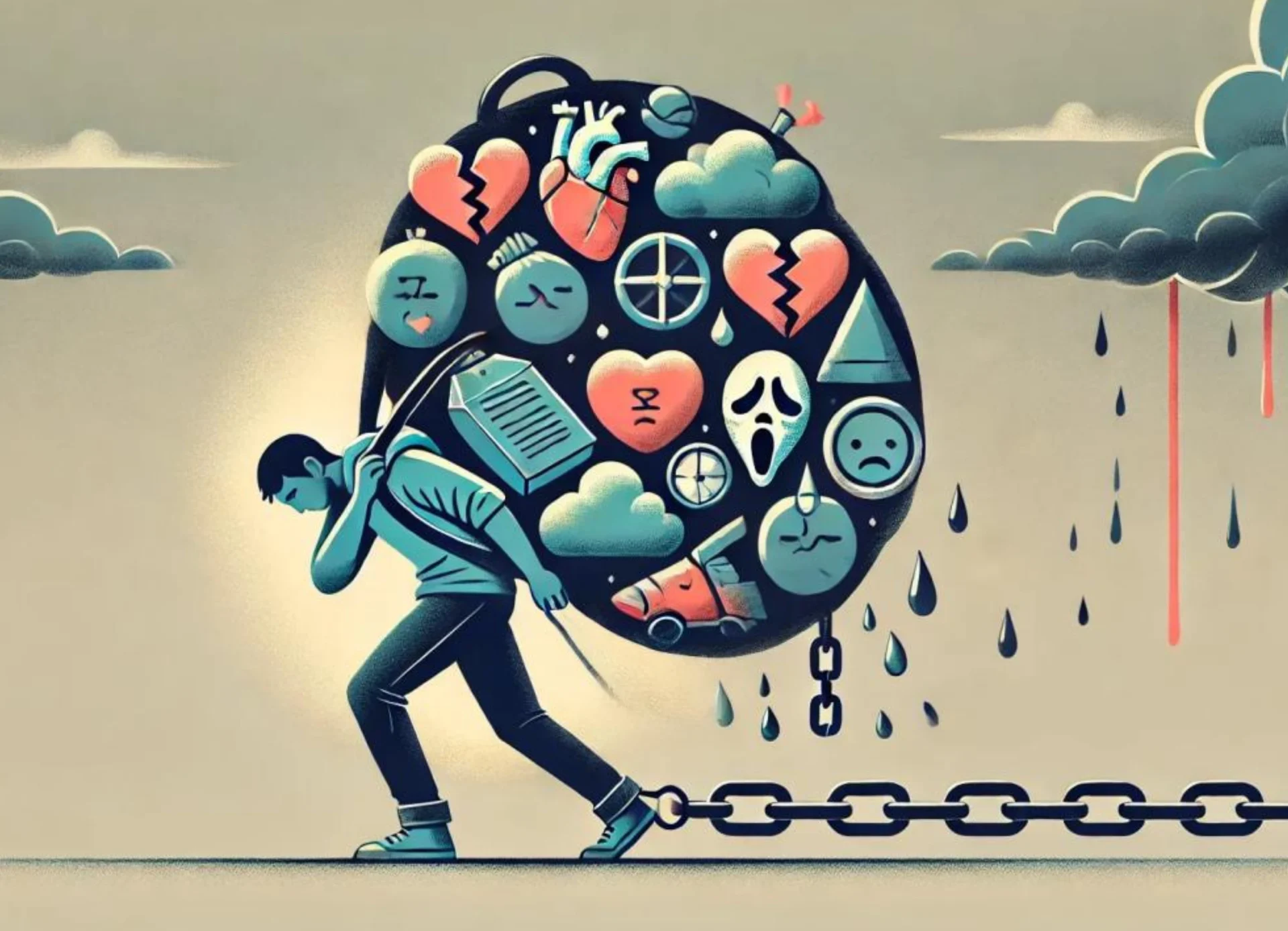
Introduction: When Being “The Strong One” Becomes a Heavy Burden
Everyone admires the person who “has it all together”. The one who never complains, always helps others, stays calm in a crisis and seems able to carry the weight of the world on their shoulders.
But what happens when strength becomes a role you can never step out of?
Many adults who appear incredibly resilient are quietly exhausted. They have spent years putting other people’s needs before their own, solving problems, managing emotions and being the person everyone turns to. From the outside, they look capable. Inside, they may feel overwhelmed, lonely and disconnected from their own needs.
The truth is, many “strong” adults were not simply born that way. They learned it.
And often, they learned it in childhood.
The Roles We Are Given in Childhood
Families naturally develop patterns. Children are sensitive observers, constantly learning what is needed from them to feel safe, loved and accepted.
Without anyone consciously deciding, children can take on roles within the family system.
One child may become:
- The Responsible One – the child who grows up quickly, follows the rules and learns not to cause problems.
- The Caretaker – the child who notices everyone else’s emotions and tries to keep the peace.
- The Achiever – the child who believes love and approval come from success and being impressive.
- The Invisible Child – the child who learns that staying quiet is safer than expressing their needs.
- The Entertainer – the child who uses humour and positivity to distract from difficulties.
These roles often develop as ways of coping. They are not signs of weakness. They are intelligent adaptations from a child trying to navigate their environment.
The difficulty is that what protected us as children can become exhausting when we carry it into adulthood.
When Childhood Coping Strategies Follow Us Into Adult Life
The responsible child often becomes the adult who struggles to ask for help.
The caretaker child becomes the adult who notices everyone else’s emotions but ignores their own.
The achiever becomes the adult who feels valuable only when they are productive.
The peacekeeper becomes the adult who avoids conflict, even when their own boundaries are being crossed.
This is where people pleasing can become harmful.
People pleasing is often misunderstood as simply being “too nice”. In reality, it can be connected to deeper emotional patterns, including fear of rejection, abandonment, criticism or conflict.
A people pleaser may constantly think:
- “Will they be upset if I say no?”
- “What will they think of me?”
- “Am I being selfish if I put myself first?”
Over time, constantly prioritising others can lead to emotional exhaustion, compassion fatigue and burnout.
The Hidden Cost of Always Saying Yes
When someone spends years ignoring their own needs, their nervous system can remain in a state of constant alert.
They may experience:
- Emotional burnout
- Anxiety and overwhelm
- Difficulty setting boundaries
- Resentment towards others
- Exhaustion despite resting
- Feeling responsible for everyone’s happiness
- Difficulty identifying what they actually want
The painful irony is that many people who are the most dependable are often the least supported.
They have become so good at carrying others that people forget they need carrying too.
Case Study: “Sarah” – The Woman Who Could Handle Anything
(Composite case study based on common therapeutic themes)
Sarah, aged 42, was described by friends and family as “the strong one”.
She was the person everyone called during a crisis. She supported her parents, helped friends through difficult times and was always the reliable employee who took on extra responsibilities.
Sarah came to therapy because she felt exhausted, anxious and disconnected. She said:
“I don’t understand why I’m struggling. I’ve always coped.”
As therapy explored her childhood, Sarah remembered becoming the emotional support for her mother from a young age. She learned to sense moods before anyone spoke. She became the child who caused no trouble and tried to make life easier for everyone around her.
Her childhood belief became:
“If I look after everyone else, everything will be okay.”
As an adult, that belief followed her into relationships, friendships and work.
She found herself saying yes when she meant no. She apologised when others were upset with her. She felt guilty resting because she believed she should always be doing something useful.
Through therapy, Sarah began recognising that her strength had been built on survival.
She wasn’t “too sensitive”. She was exhausted from carrying responsibilities that were never hers to carry alone.
Meeting the Inner Child: Learning to Parent Yourself
One powerful approach in therapy is inner child work.
The inner child represents the younger parts of ourselves that still carry emotions, beliefs and memories from earlier life experiences.
Many adults are very good at caring for others but have never learned how to care for themselves.
Inner child healing asks:
- “What did I need as a child that I didn’t receive?”
- “Which parts of me learned they had to earn love?”
- “What would I say to my younger self if they were standing in front of me?”
The goal is not to blame the past. It is to develop a compassionate relationship with ourselves in the present.
The adult self can become the safe, supportive parent that the younger self needed.
This might mean learning to say:
- “You don’t have to earn your worth.”
- “You are allowed to rest.”
- “You are allowed to have needs.”
- “You do not have to be everything for everyone.”
Releasing the Role of Being the Strong One
Healing does not mean becoming weak.
It means understanding that strength also includes vulnerability, asking for help and allowing others to support you.
The strongest people are not those who carry everything alone.
They are those who learn they were never meant to.
If you recognise yourself as the “strong one”, the question is not:
- “How do I become stronger?”
The question may be:
- “How long have I been carrying something that was never mine to carry?”
Sometimes the greatest act of courage is putting the weight down.
Final Reflection
Your childhood may have taught you how to survive.
Therapy can help you learn how to truly live.