As a Counsellor in North Wales I Reflect on Trauma, Attachment and Emotional Burnout
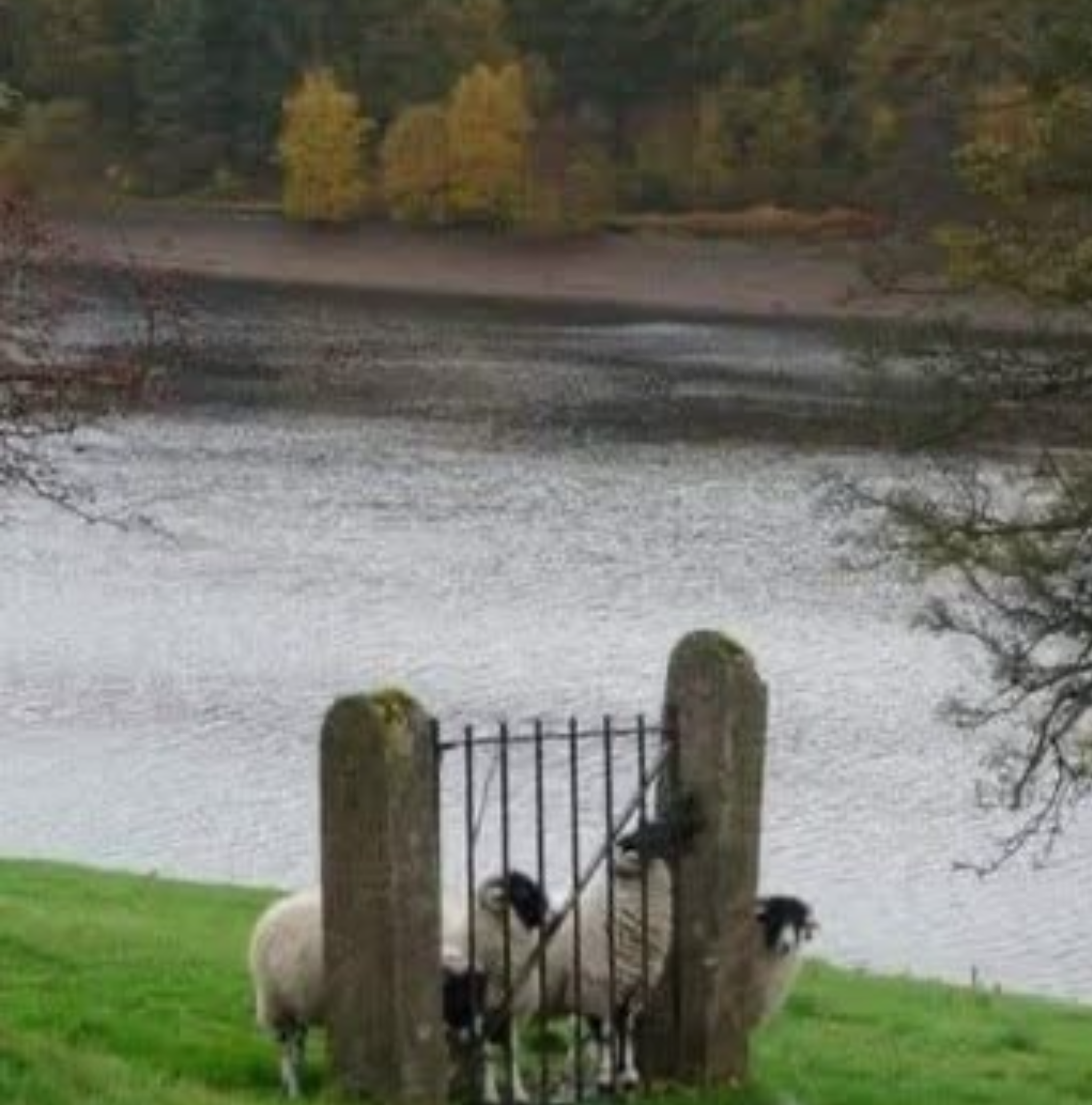
There’s an image I often think about in my counselling work.
A gate stands wide open.
No fence. No lock.
And yet the sheep are lined up behind it, waiting.
Nothing is stopping them — except what they’ve learned.
For many people seeking counselling or therapy in North Wales, this image captures something they feel deeply but struggle to name: “I have choices, yet I feel stuck.”
When freedom doesn’t feel safe
If you grew up learning to:
- put other people’s needs first
- keep the peace to avoid conflict
- stay emotionally alert
- minimise your feelings
then freedom can feel unfamiliar, even frightening.
Many adults I work with describe feeling trapped in patterns of people-pleasing, overworking, anxiety, emotional burnout, or unfulfilling relationships. They often say:
- “I don’t know what I need anymore”
- “I feel guilty putting myself first”
- “I look fine on the outside, but inside I’m exhausted”
These are not character flaws. They are often signs of attachment difficulties, emotional neglect, developmental trauma, or long-term stress.
The invisible barriers we carry
The most powerful barriers aren’t external — they’re internal. They show up as beliefs like:
- My needs don’t matter
- I have to earn love or approval
- Saying no makes me selfish
- Rest means I’m failing
These beliefs usually form early in life and quietly shape adult choices around relationships, work, parenting, and self-worth. They keep people standing behind an open gate without realising it.
Why prioritising yourself feels so hard
Many people looking for therapy in North Wales or online counselling in the UK aren’t lacking insight — they’re worn down. When your nervous system has learned to survive by adapting, controlling, or pleasing, choosing yourself can feel unsafe.
This is especially common for people who:
- experienced childhood emotional neglect or inconsistency
- grew up with conflict, addiction, or domestic abuse
- were parentified or had to grow up too quickly
- learned that love came with conditions
In these situations, staying put can feel safer than stepping into the unknown — even when the gate is open.
How counselling can help
Counselling offers a calm, supportive space to:
- explore attachment patterns and relationship difficulties
- understand why boundaries feel hard
- reduce anxiety, stress, and emotional burnout
- reconnect with your own needs and values
- build self-esteem and self-trust
Rather than asking “What’s wrong with me?”, therapy gently shifts the focus to “What happened to me — and how did I learn to cope?”
Over time, many clients notice:
- less guilt when saying no
- more clarity and confidence in decisions
- healthier relationships
- a stronger sense of self
- greater emotional balance
The gate doesn’t demand a leap. It simply becomes visible.
You’re not broken — you may just have been moulded
If you feel stuck despite having options…
If you struggle to prioritise your needs…
If freedom feels uncomfortable…
You’re not failing. You may have learned to wait behind an open gate.
As a counsellor based in North Wales, I offer a warm, trauma-informed space to explore these patterns at your own pace — whether in person or online. You don’t need to know exactly what you want yet. Noticing that the gate is open is enough to begin.
Sometimes the most powerful change starts with permission.